The Melanesian Institute, established in 1969, has been a beacon of service to the people of Papua New Guinea and beyond. A primary focus has been providing comprehensive Cultural Orientation Courses.
Cultural Orientation Courses are tailored to meet the needs of various institutions and organisations. They have proven invaluable for church institutions, missionary societies, and individuals and organisations seeking a deeper understanding of the rich cultural heritage of Papua New Guinea.
The Cultural Orientation Course offered in Goroka is a long-running educational program designed to help people understand the complex cultural landscape of Melanesia. Established primarily for foreign missionaries, it has evolved over decades and now welcomes participants from a wide range of backgrounds — local church workers, NGOs, development agencies, researchers and international visitors. Its central aim is to equip participants with the cultural knowledge and sensitivity needed to engage respectfully and effectively with the diverse communities of Papua New Guinea and the wider Melanesian region.
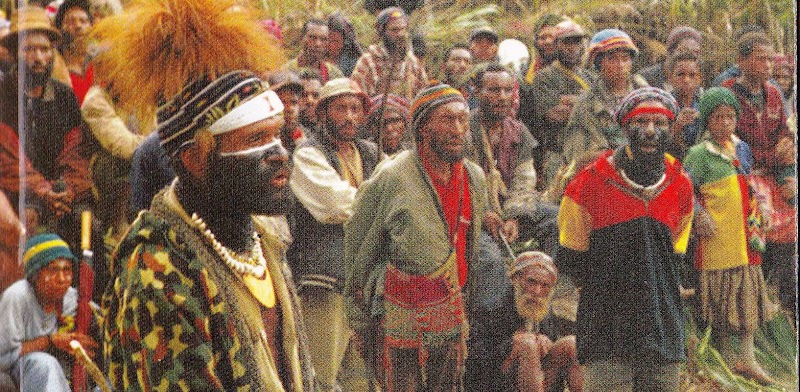
Melanesia is home to hundreds of distinct tribes, clans and language groups, each with its own customs, social structures and belief systems. Without proper preparation, outsiders — whether missionaries or development workers — often face misunderstandings that hinder their work. The course was created to bridge that gap, introducing participants to traditional and contemporary Melanesian ways of life.
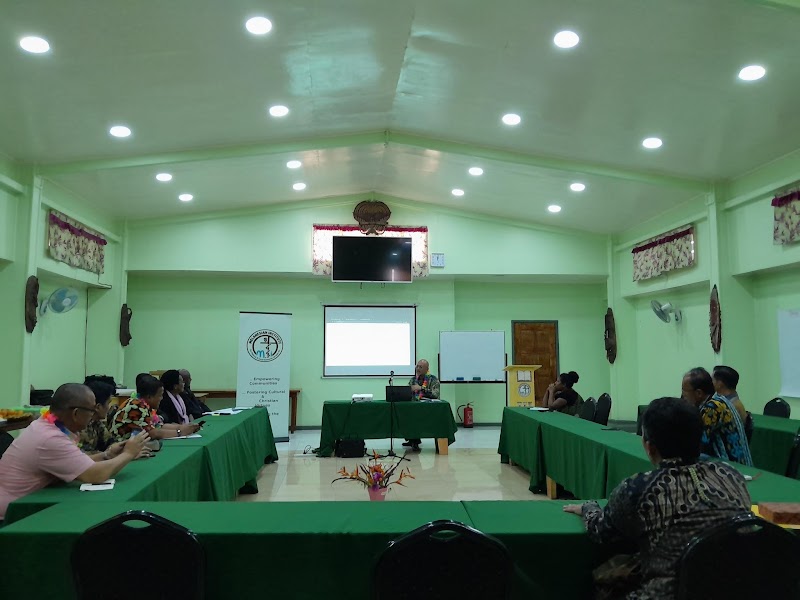
The content is wide-ranging. Courses typically span one to two weeks and involve expert presentations, discussions, practical workshops and cultural immersion. Key topics include mission and contextualisation — how Christianity first interacted with Melanesian societies, and how mission work can be adapted respectfully today — and social institutions: kinship systems, clan and tribal organisation, leadership structures, marriage customs, land ownership and gender roles.
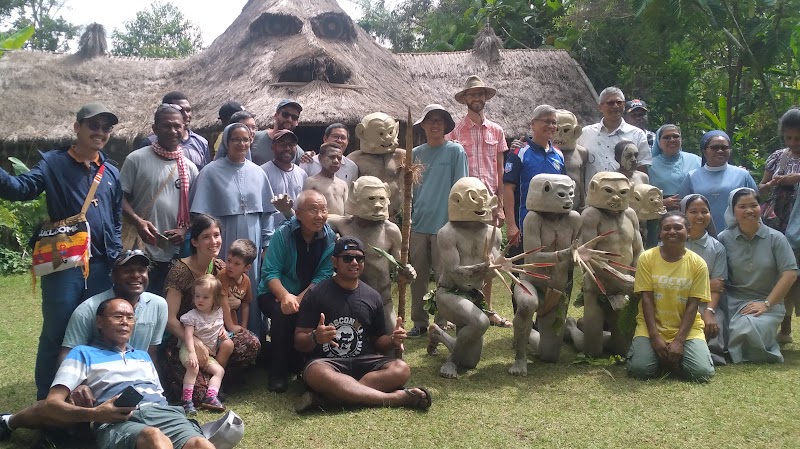
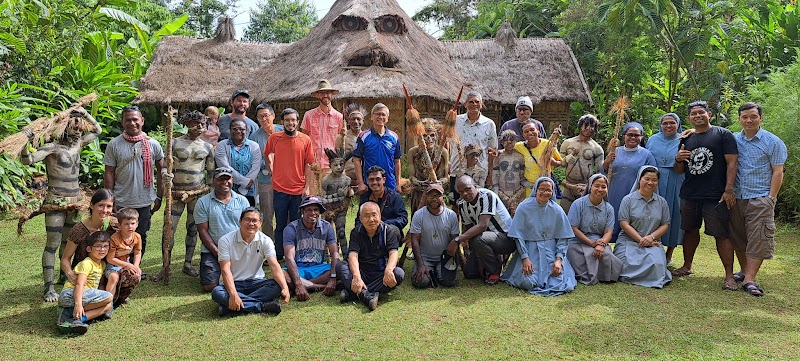
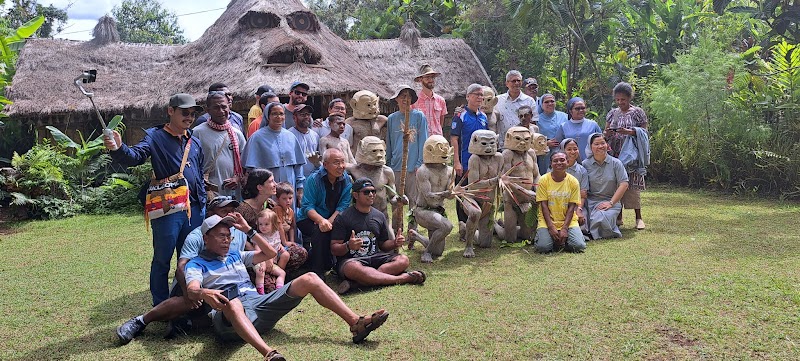
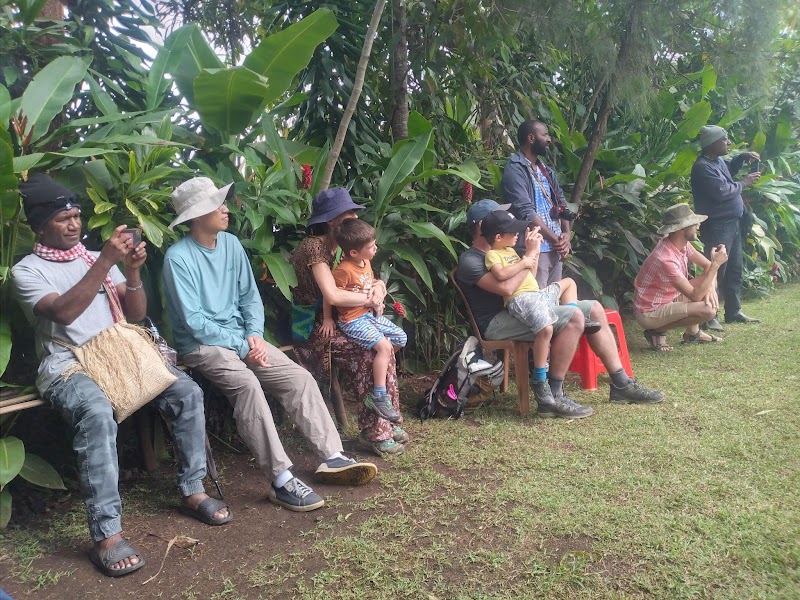
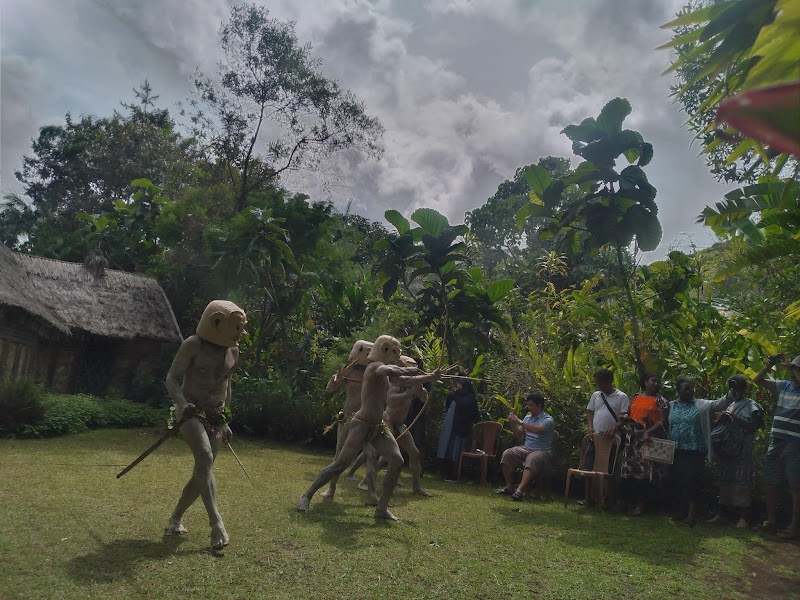
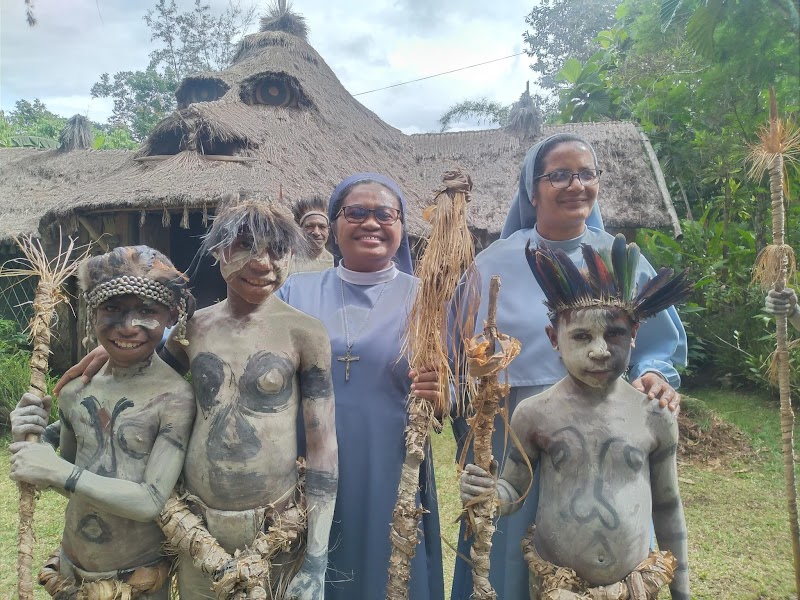
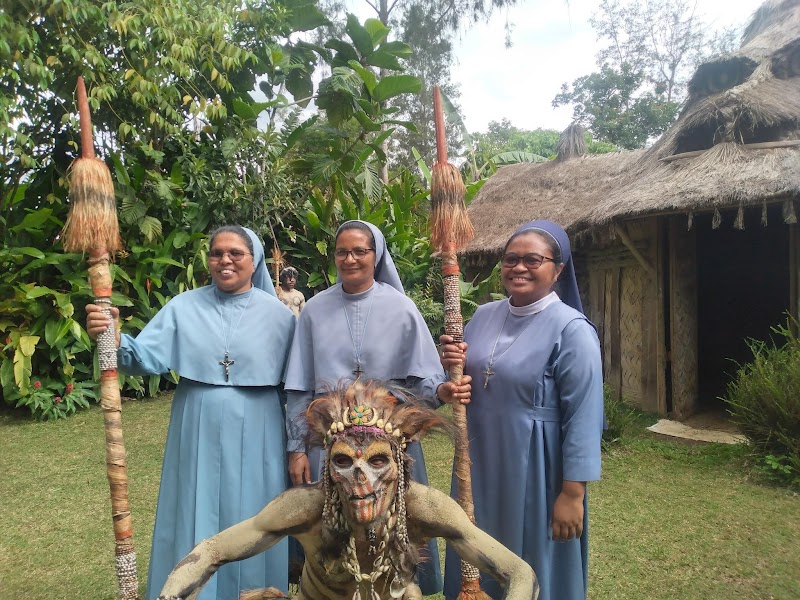
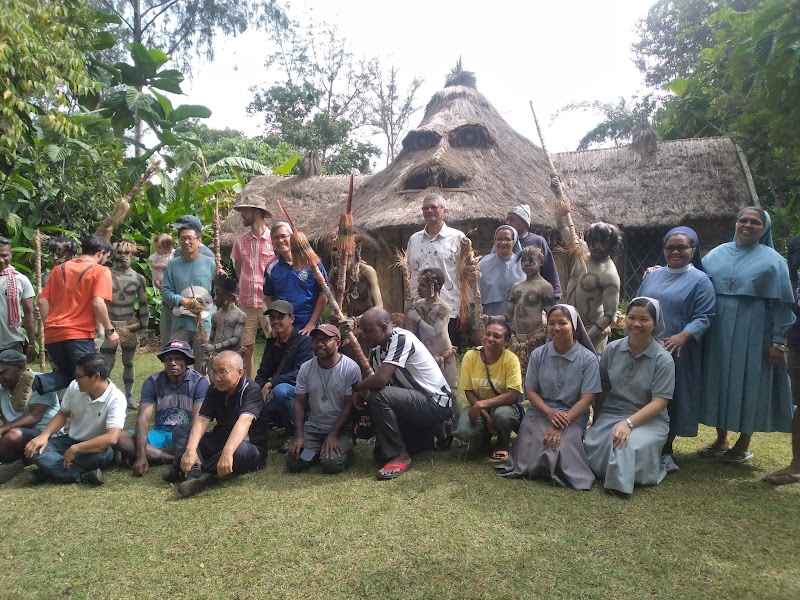
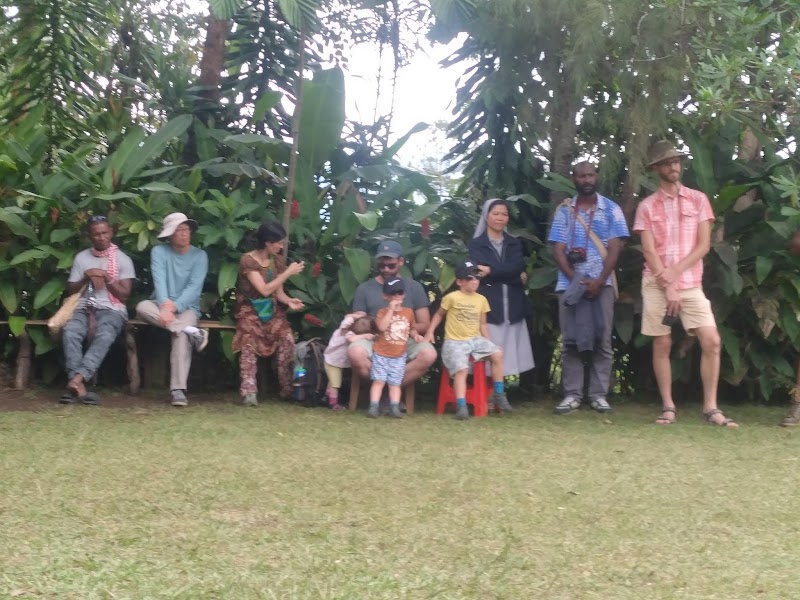
Other sessions examine modern social change and the pressures communities face from economic development, globalisation, education and urban migration. The course also includes immersion visits to local communities, such as the Asaro Mudmen village, allowing participants to witness ceremonies, dances and daily practices firsthand.
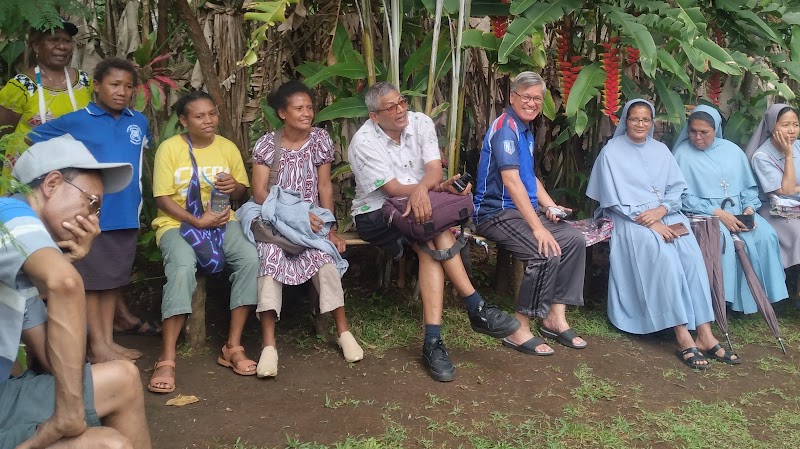
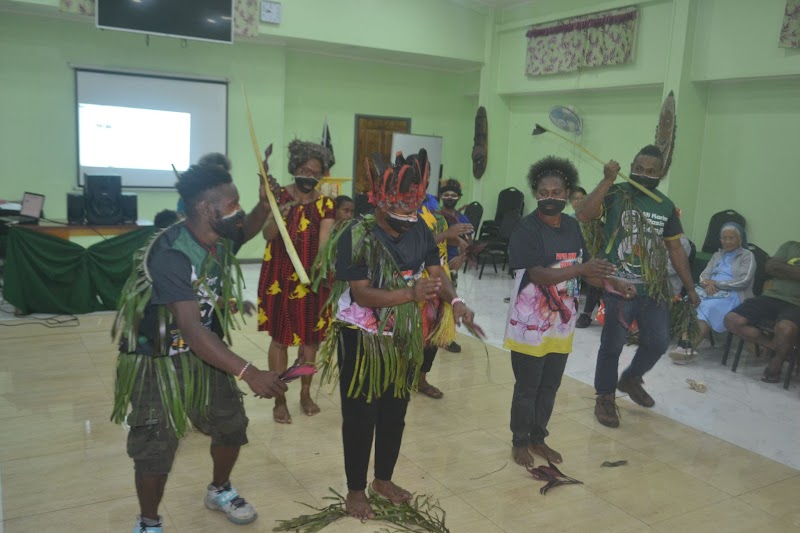
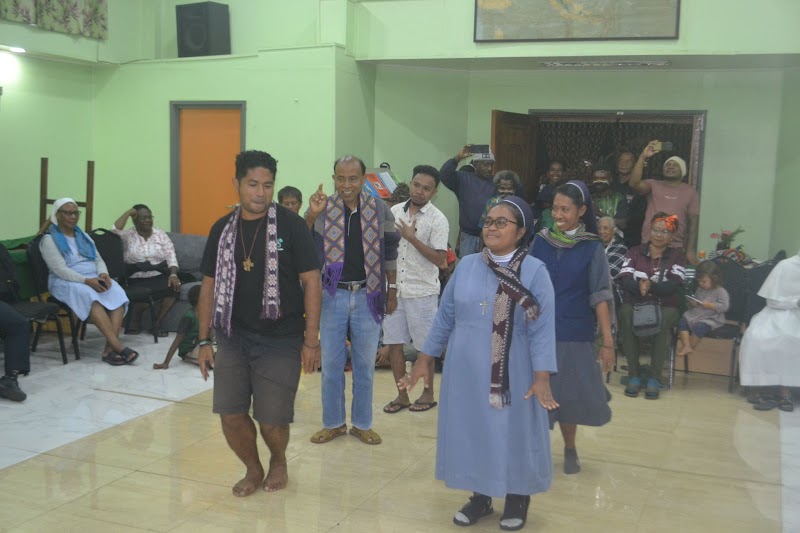
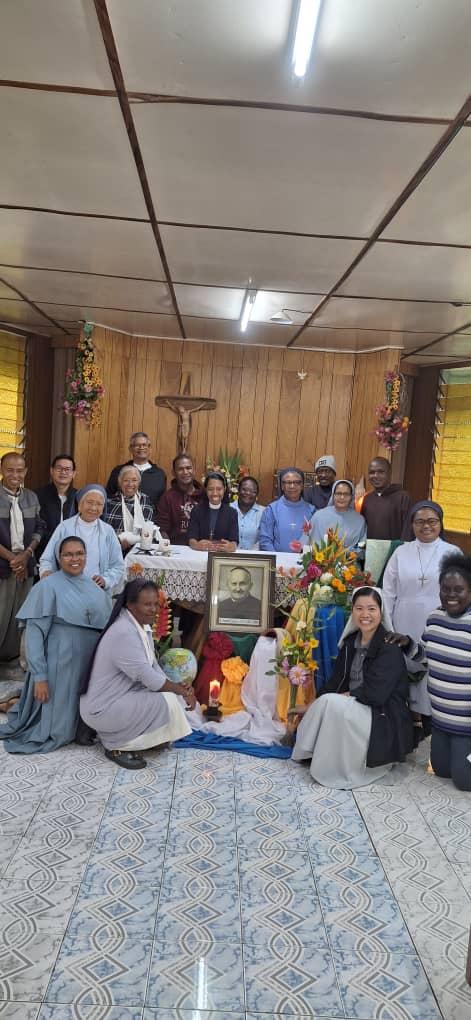
Historically attended almost exclusively by foreign Catholic missionaries, the course is today ecumenical and international, drawing participants from various denominations and countries across the Pacific and beyond. The 56th Cultural Orientation Course, held in January 2024, gathered twenty-six missionaries and development workers from Papua New Guinea, the Solomon Islands and overseas, concluding with a cultural evening of songs, dances and shared reflections.
Overall the course serves as a bridge between cultures — promoting respect, reducing misunderstanding, and helping participants engage communities in ways that honour Melanesian identity, whether for mission, social development or research.
Course galleries — 2022, 2023 & 2024