A brief timeline
- 1967 The idea for a missionary resource centre in Papua New Guinea is born among SVD missionaries.
- 1968 With support from other missionary groups — Marists, MSCs — and ACRS, the centre becomes a reality.
- 1969 The first director, Fr. Hermann Janssen MSC, is appointed.
- 1970 The venture becomes an official part of the Roman Catholic Church in PNG. The Institute moves from Rabaul to Goroka.
- 1973 The Institute becomes ecumenical, reflecting the spirit of Vatican Council II. Church members now include Roman Catholic, Anglican, United Church, and Lutheran.
History
The idea to establish a resource centre for missionaries in Papua New Guinea originated among the SVD missionaries — Societas Verbi Divini, the Divine Word Missionaries — in 1967. With the cooperation of the Marists and the Missionaries of the Sacred Heart, and the Association of Clerical Religious Superiors as legal sponsor, it became a reality in July 1968.
The first full-time director, Fr. Hermann Janssen MSC, was officially installed in April 1969. In 1970 the Melanesian Institute became an official venture of the Roman Catholic Church in PNG, and land was offered by the then Bishop of Goroka, John Cohill SVD, moving the Institute from its original founding site near Rabaul to its current campus in Goroka.
In 1973, in line with the spirit of the Vatican Council II, the Institute gradually evolved into an ecumenical body. Its current church members are Roman Catholic, Anglican, United Church and Lutheran.
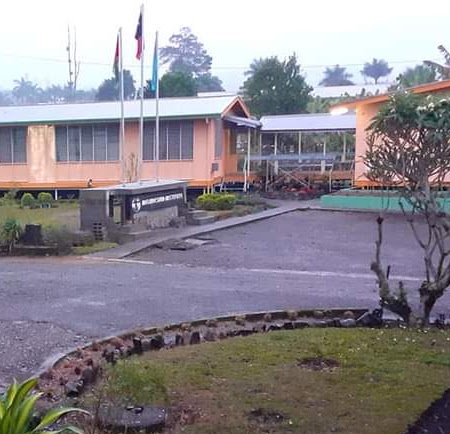
Our campus in Goroka